Vision

What is a consumer biotech?

Biotech companies develop medicines that can become part of someone's life for years. Yet most people know little about the companies behind them.

That's because of the old business model of selling to insurance companies and hospitals. We're building LionBio to have a relationship with the patient from the start, where they can work with their physicians to decide what types of therapies can enhance their health.

Design starts early.

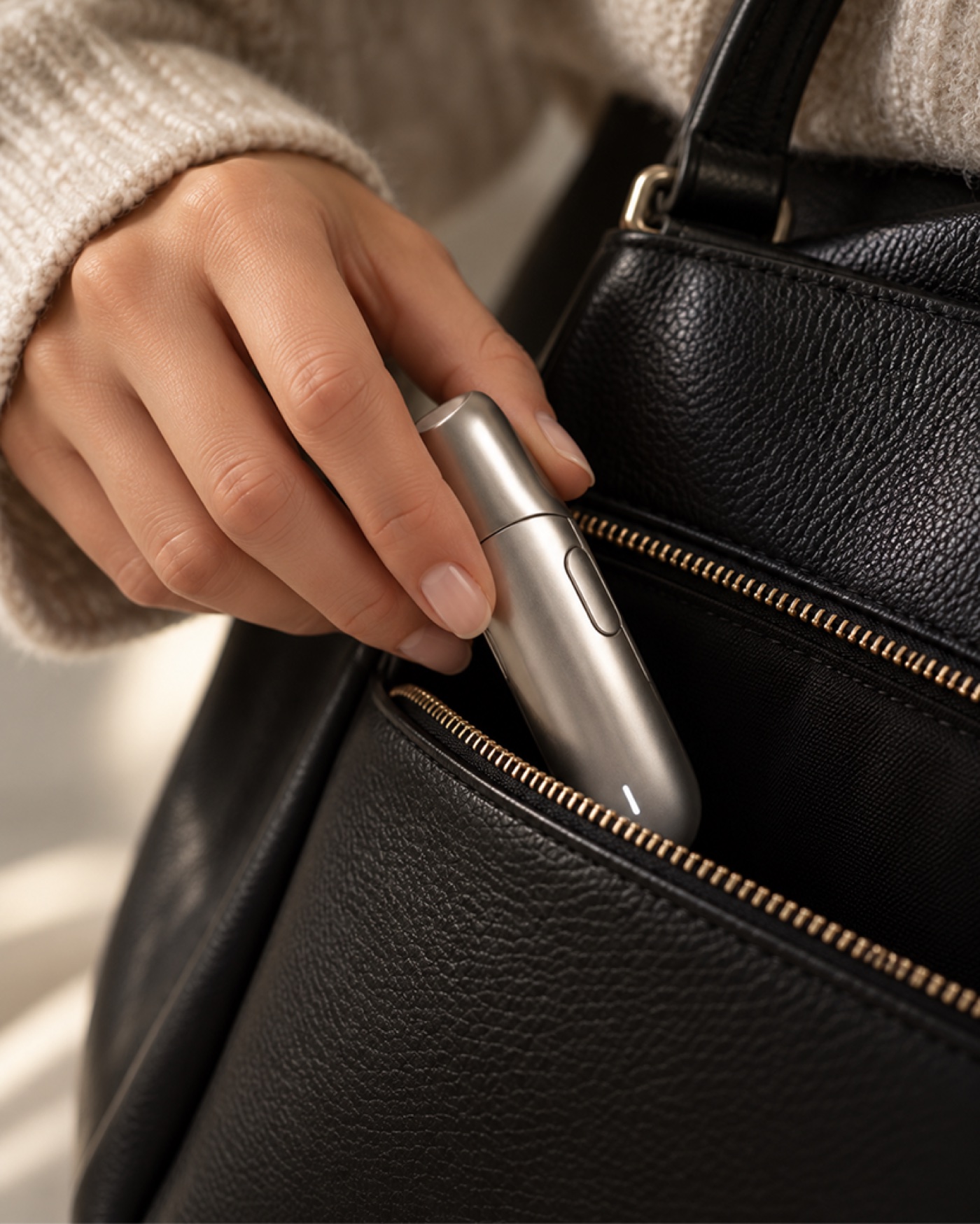
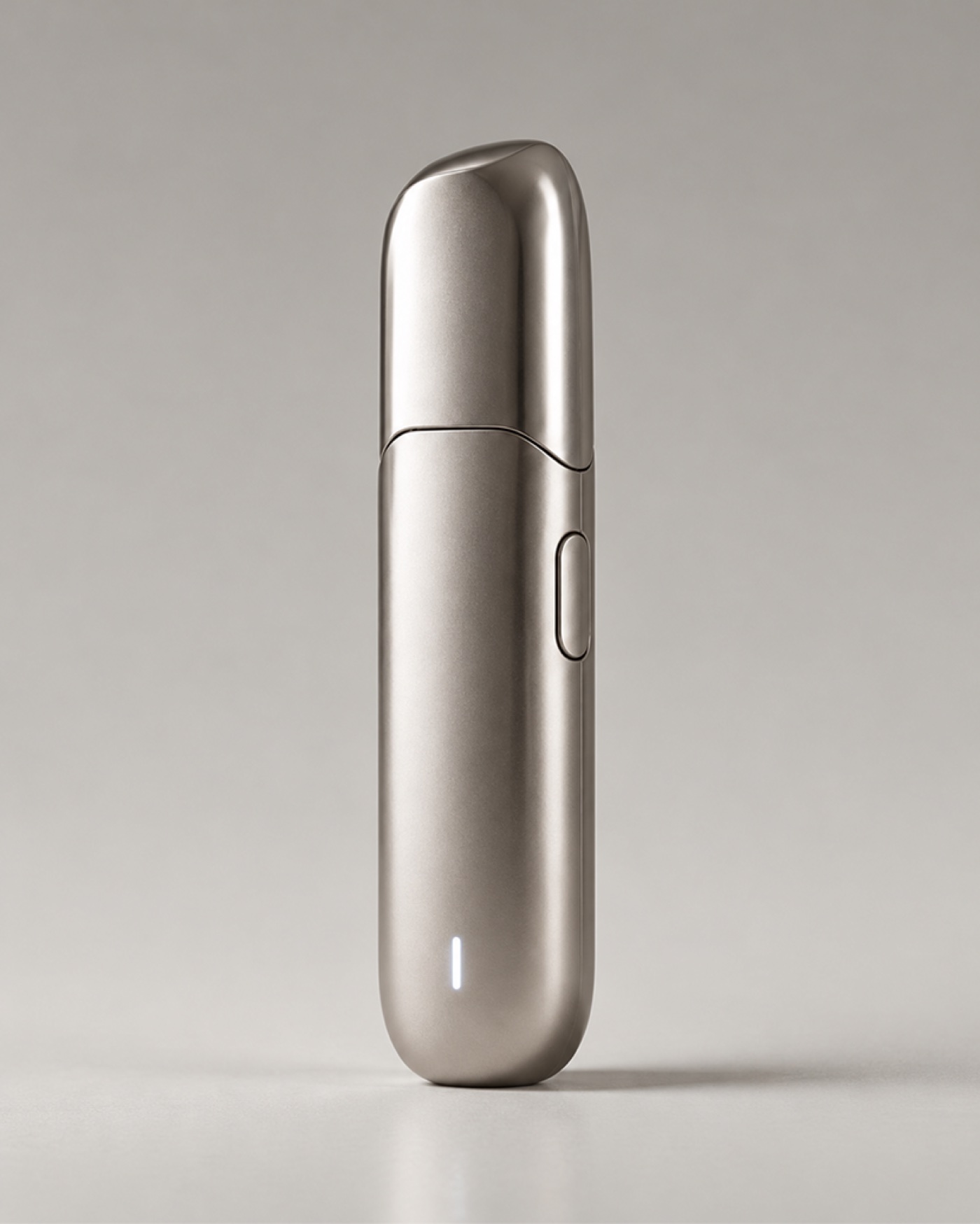
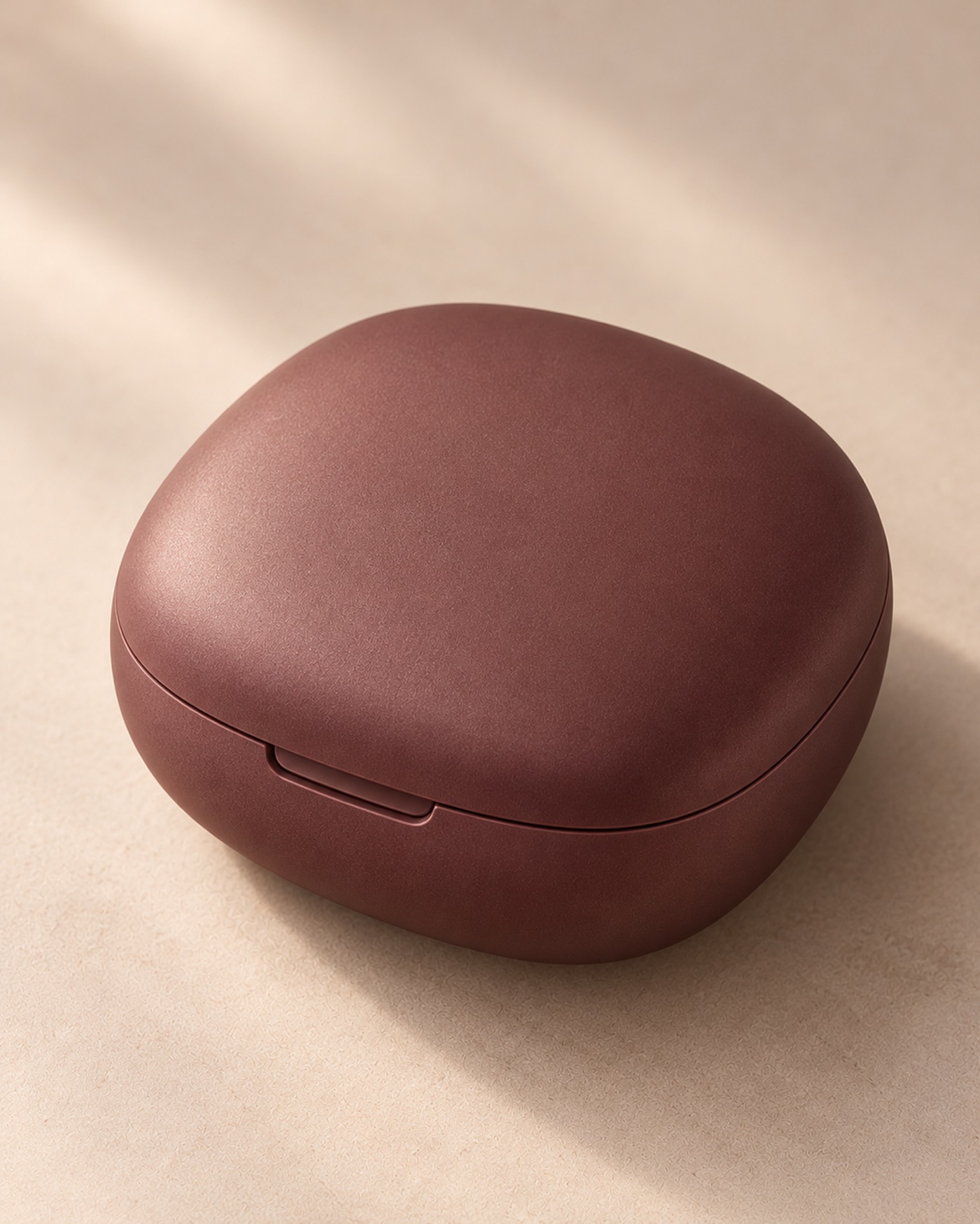
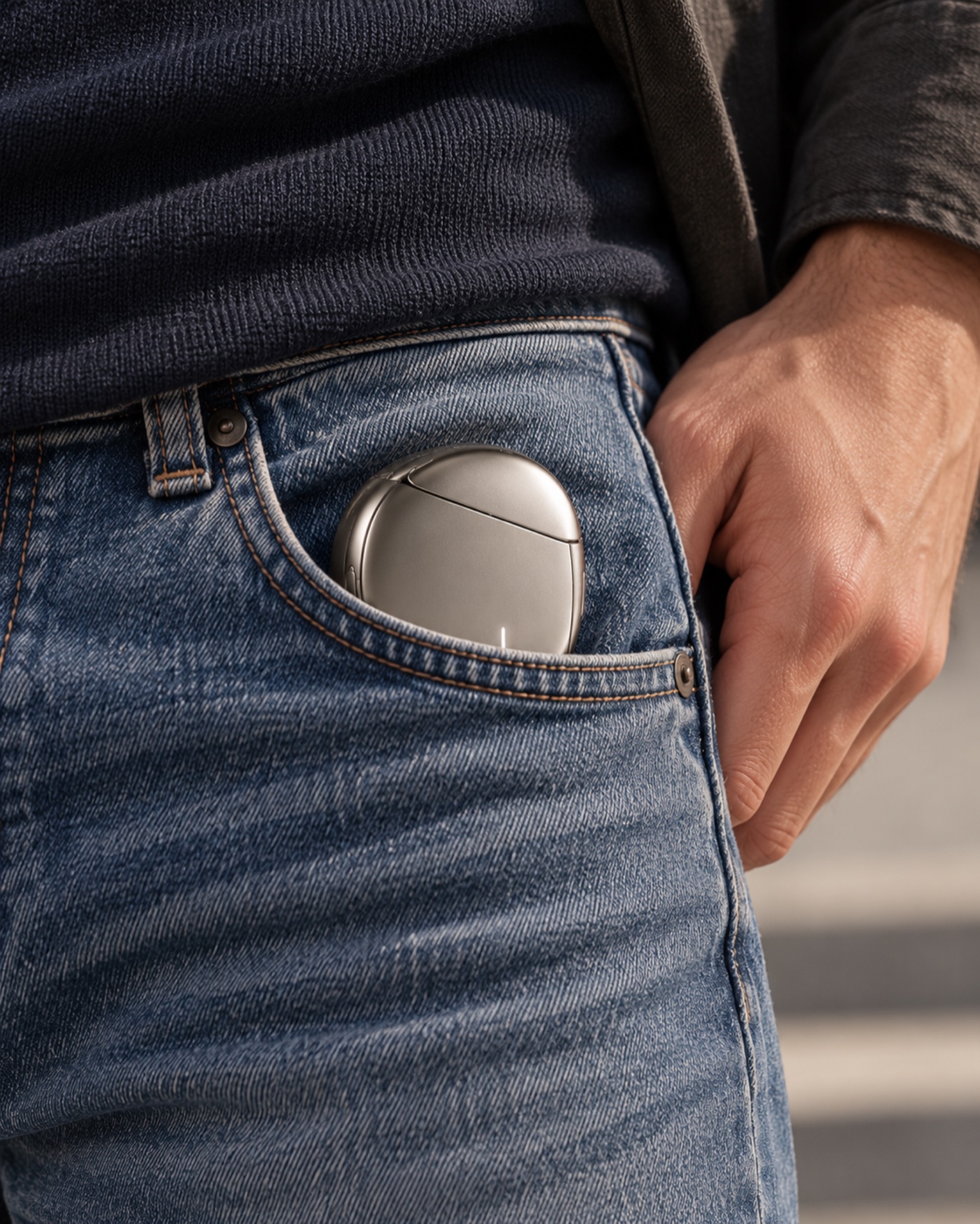
We're thinking about how a medicine could fit into everyday life while we develop the formulation. How a device opens, feels in the hand, and explains its use all deserve attention.

Early device concepts. The final design will depend on the formulation and its delivery requirements.

Concept render of a hand placing a slim nasal device into a bag
Concept render, not a patient photo
Concept render of the slim handheld nasal device, closed
Slim handheld · concept
Concept render of the rounded compact nasal device, lid open, nozzle visible
Rounded compact · concept
Concept render of a terracotta carrying case, closed
Carrying case · concept
Concept render of the rounded compact in a pocket
In a pocket · concept render, not a patient photo

Nanoparticles for neuropeptides

Neuropeptides are chemical signals used by nerve cells. They help regulate appetite, sleep, and stress. We're building a delivery platform for peptide medicines that act on this biology.

Getting a peptide medicine into the brain is difficult. We're developing biodegradable nanoparticles for nasal delivery, designed to carry the drug and release it over time. Our goal is to improve brain delivery while limiting exposure elsewhere.

Starting with metabolic health

Semaglutide is our first program. It activates the GLP-1 receptor, part of a signaling system involved in appetite and metabolism. GLP-1 medicines already treat obesity and type 2 diabetes; we're studying how a new formulation and route change can target GLP-1 receptors in the olfactory bulb specifically.

Beyond semaglutide, we're exploring other GLP-1s and neuropeptides for metabolic and neurological conditions. Each molecule will need its own formulation and studies.

Our lead semaglutide formulation is in preclinical development.

Potential research directions, not announced LionBio development programs. Each would need its own formulation and studies.

Insulin Cognition and memory +

Nasal insulin has been studied in people; clinical findings are mixed.

A 2020 randomized trial enrolled 289 people with mild cognitive impairment or Alzheimer's dementia, with 240 in the primary device cohort. After 12 months the cognitive endpoint did not differ from placebo. Craft et al., JAMA Neurology, 2020 ↗

Oxytocin Apathy in frontotemporal dementia +

A phase 2 nasal study found a small improvement in apathy ratings.

The trial enrolled 94 participants with frontotemporal dementia across adaptive crossover stages, with six-week treatment periods. The selected intermittent schedule produced a small improvement in apathy ratings. This is a signal for a defined symptom, not broad cognitive benefit. Coleman et al., Lancet Neurology, 2025 ↗

Orexin-A Wakefulness +

Small nasal studies in narcolepsy provide an early reason to investigate this peptide.

A double-blind crossover nasal study in 14 people with narcolepsy with cataplexy reported changes in REM-related measures and fewer false responses on an attention task. This was a small acute study, not evidence of sustained benefit. Weinhold et al., Behavioural Brain Research, 2014 ↗

Growth hormone-releasing hormone Sleep +

A nasal GHRH study in healthy men increased slow-wave and REM sleep later in the night.

A double-blind crossover study gave 12 young and 11 older healthy men nasal GHRH or placebo before bedtime. GHRH increased slow-wave sleep and REM sleep, mostly in the second half of the night, with no difference by age. This was a single-night study, not evidence of treatment benefit. Perras et al., Psychoneuroendocrinology, 1999 ↗

Neuropeptide Y Stress-related disorders +

Early human nasal research has examined tolerability and anxiety responses in PTSD.

A small dose-ranging crossover study randomized 26 participants with PTSD, with 24 completing both visits. It found a dose-related signal on one anxiety scale but not another; it did not establish lasting treatment efficacy. Randomized nasal NPY study, 2018 ↗

Robin Guo
Founder note

Why this is personal

My dad has diabetes. I'm pre-diabetic. Alzheimer's has affected two of my grandparents. I grew up around Columbia University, where my dad taught, and studied Biomedical Engineering here. Years later he introduced me to my now co-founder Kam Leong, and we talked about turning his lab's nanoparticle research into a company. That became LionBio.

Robin Guo, co-founder

Meet the team →
Updates

Follow our progress

Research updates and news from the team.

For research, partnerships or investor inquiries: hello@lion.bio

Company updates only. Unsubscribe at any time.